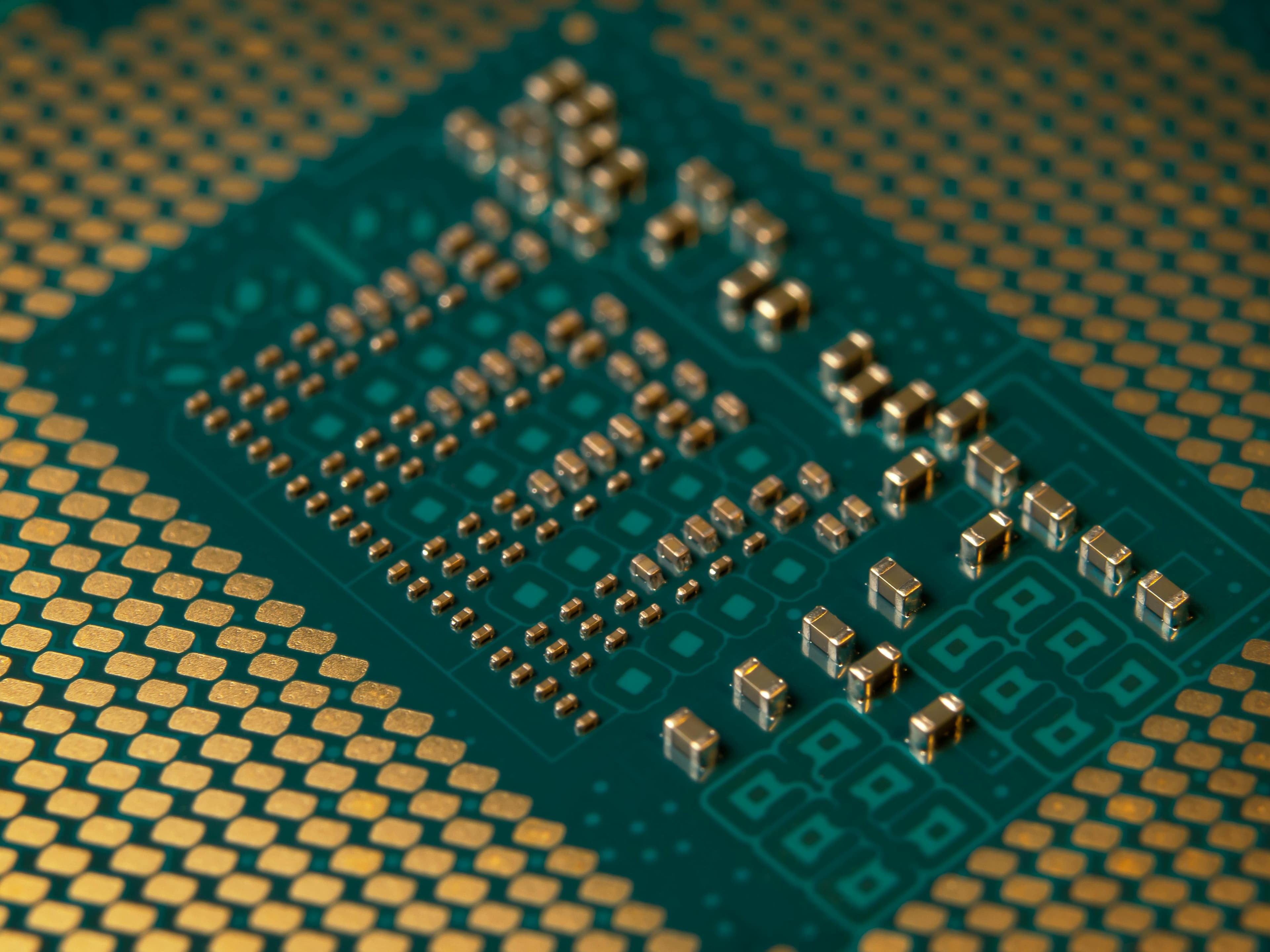
Thermal budgeting for compact RF payload chains
Thermal budgeting works best when it shapes architecture, interfaces, and sample intent before layout hardens.
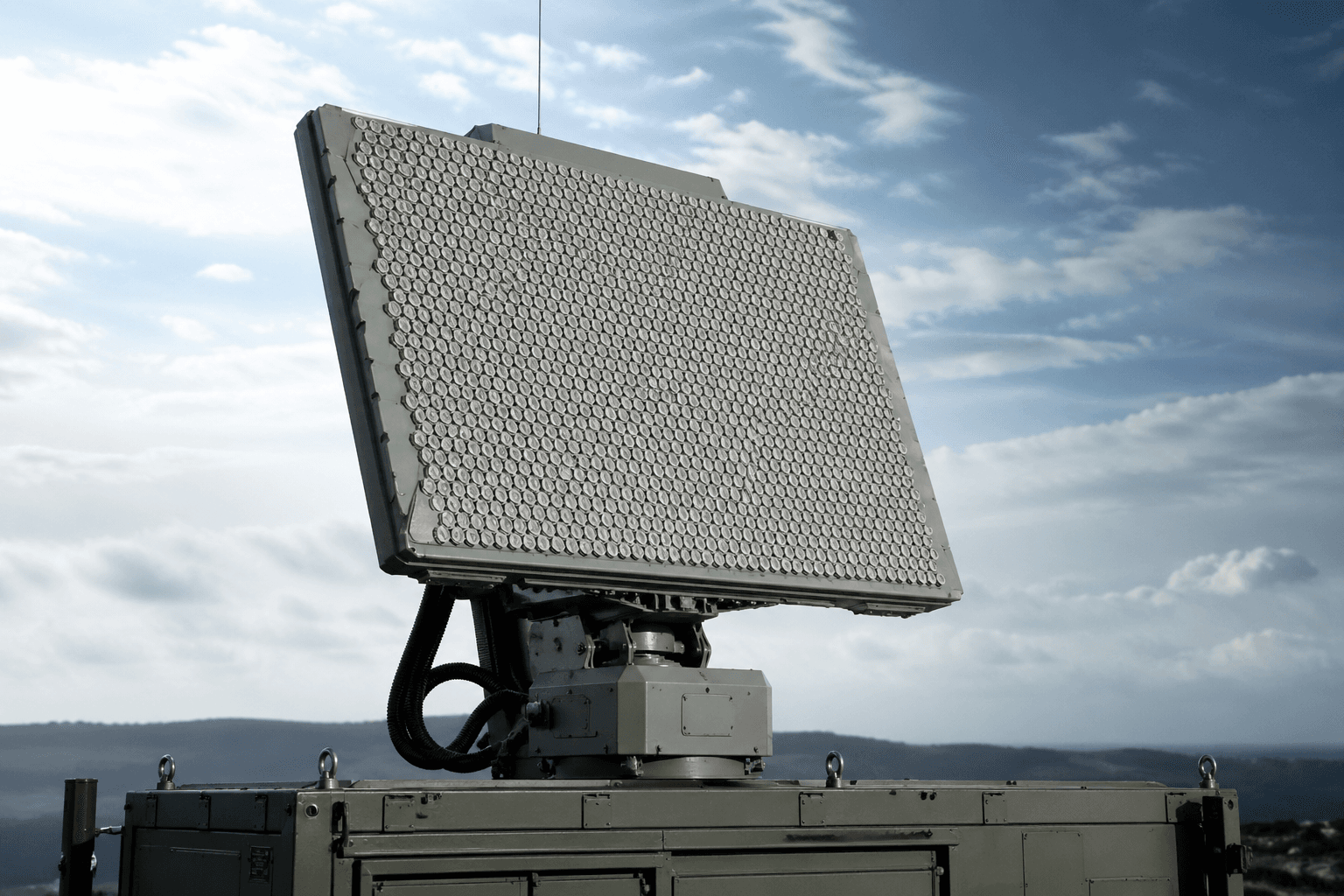
Treat thermal budget as an architecture input
Compact payload chains rarely fail because teams forgot to run thermal analysis. They fail because thermal assumptions were left vague while architecture, packaging, and interface choices hardened around them.
The useful move is to turn thermal budget into an early review input: expected duty cycle, sink path, enclosure limits, and what temperature margin the system actually needs to preserve.
Key signals to capture in the first review
- Expected duty cycle and burst profile
- Cooling path assumptions and sink temperature
- Interface limits that change the module boundary
- What the first sample is expected to prove
Callout
Do not let the first sample answer every thermal question
A useful first sample should narrow the thermal decision, not become a full-system surrogate. Lock the measurement goal before the hardware definition expands.
Thermal assumptions reshape module boundaries
Once the team names the real heat path, the module discussion becomes more honest. Some functions stay inside the module because they stabilize performance, while others are left outside because they consume thermal margin without improving the first evaluation step.
That is why thermal budgeting should be discussed alongside interfaces and packaging, not after them. It changes what a credible module boundary looks like.
“Thermal budget becomes useful only when it survives contact with architecture, packaging, and schedule at the same time.”
Keep the first pass reusable
The first review should leave behind a short thermal record that later teams can still use: the assumed sink path, the expected operating window, the measurement target, and the open constraints that still belong to system integration.
That record prevents the program from restarting the same thermal conversation every time the payload, module, or packaging discussion moves forward.
Next step
Review the thermal boundary before the module locks
If your payload chain is already carrying power, envelope, or cooling constraints, turn them into an engineering review before they reappear later as packaging rework.