
When MIPI RFFE Pays Off in RF Front-End Modules
Keep GPIO when the module behaves like a small pin-driven block. Move to MIPI RFFE when programmable bias, shared timing, or multi-device coordination would otherwise turn dedicated pins into a system burden.
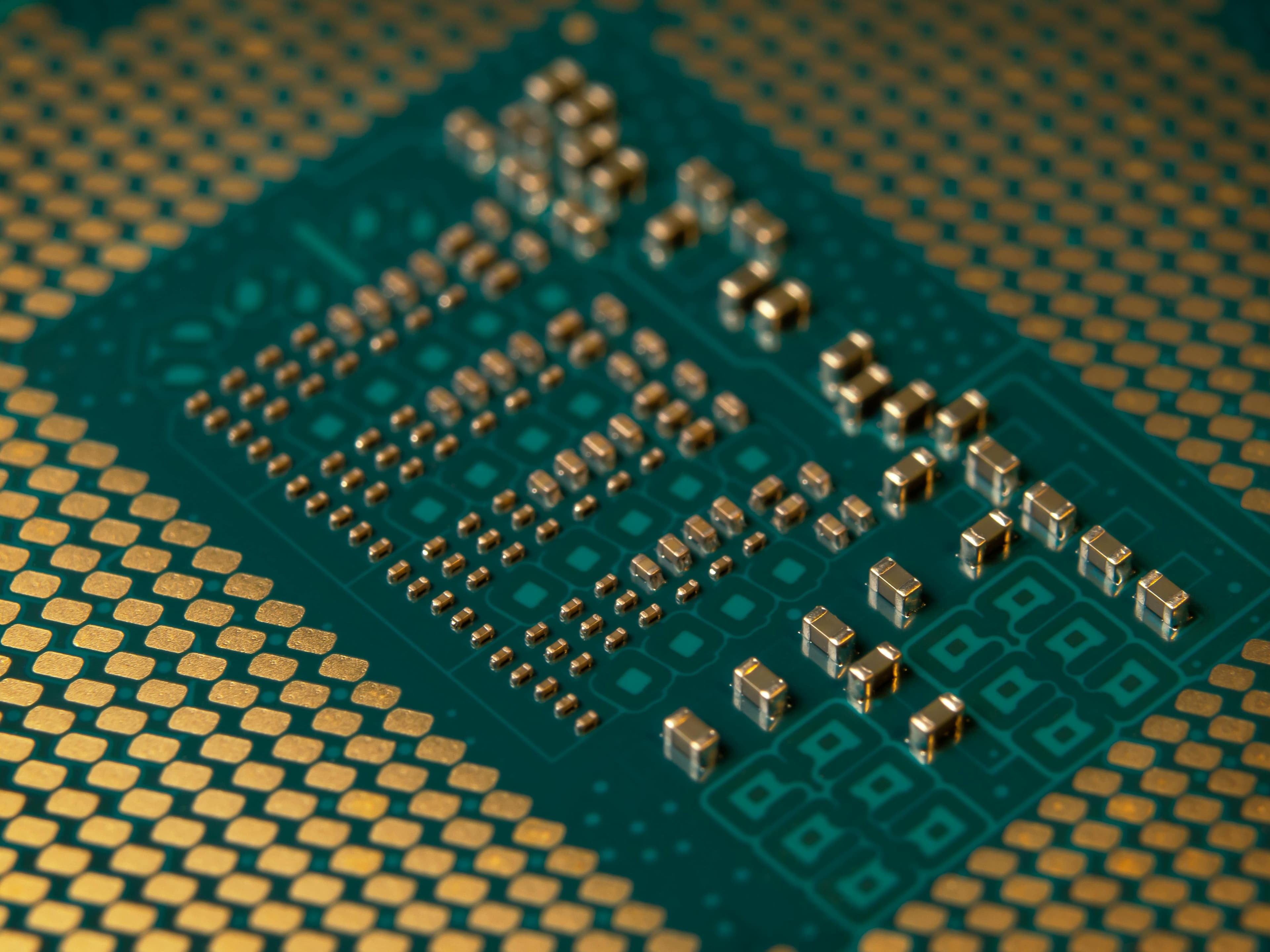
The real decision is whether the front end is still a pin-level block
General-purpose input/output (GPIO) control works well when an RF front-end module exposes a short, stable set of visible states. The host toggles named pins for shutdown, transmit and receive selection, antenna choice, or efficiency mode, and the bench can usually tell at a glance which state the module is in. The Mobile Industry Processor Interface (MIPI) RF Front-End Control Interface (RFFE) solves the same control job differently: the host addresses the module on a shared two-wire bus and drives behavior through commands or register writes instead of dedicated enables.
That difference matters because it changes the system boundary. GPIO is usually the sharper choice while the module still behaves like a compact switched block. MIPI RFFE starts paying off once the front end carries enough programmable bias, timing, or device coordination that more pins no longer feel simple. At that point the question is less about interface preference and more about whether the control burden still fits cleanly inside a truth table.
Review signals that show the bus is earning its cost
- Keep GPIO when the module exposes only a few stable states and the host can still spare pins without creating ownership confusion.
- Move to MIPI RFFE when bias, band select, or switch behavior needs register-based programming or one control path must coordinate several front-end devices.
- Treat bus voltage, initialization order, and trigger timing as interface decisions, not as details to clean up after the schematic review.
- Prefer GPIO when bring-up depends on immediate pin-level visibility; prefer MIPI RFFE when pin count and state density start compounding across the subsystem.
- Store the exact control script or state table with the RF measurement record so later teams know which operating condition they are actually comparing.
GPIO is still the cleaner boundary while the state map stays short
Simple IoT and industrial, scientific, and medical (ISM) front-end modules still show why direct pins survive. Datasheets often expose shutdown, transmit and receive, antenna select, or gain-mode pins directly, which means engineers can map ownership in hardware and debug the state machine with a scope or logic probe. When the module only needs a handful of operating states and the host already has spare I/O, that directness shortens bring-up and keeps failure analysis concrete.
The problem is not that GPIO stops working. The problem is that each extra band, bias mode, or coexistence path adds another pin, another truth-table branch, or another place where two teams can believe they own the same state. A scheme that looks perfectly clean on one FEM can turn awkward once several RF devices need to reconfigure together or once firmware has to manage more than a small set of visible operating modes.
MIPI RFFE pays off when control complexity starts compounding
MIPI RFFE becomes worth its overhead when the front end is no longer just a switch path with a few obvious enables. The bus was designed to reduce interface fragmentation and pin pressure across denser RF subsystems, and modern cellular-class modules use it for band selection, adaptive bias, power control, and coordinated timing across more than one front-end device. In those cases, the value is not only fewer pins. It is a control boundary that scales better once the module behaves like a programmable subsystem rather than a fixed hardware state machine.
The trade is real. A bus-controlled FEM shifts complexity into addressing, bus-voltage compatibility, initialization order, trigger behavior, and the software path that places the device in the intended state before a measurement or transmit event. That cost is justified when programmable bias, shared triggers, carrier aggregation, or multi-device coordination can move system performance. It is unnecessary overhead when the module still lives comfortably inside a compact, fixed state map.
Write the control boundary into the bench record
Once the module decision depends on control style, the review package should preserve more than the RF trace. Keep the state table or register map that mattered, the logic-level or bus-voltage assumptions, the initialization sequence, the trigger behavior, and the fallback state used during bring-up or fault handling. Otherwise two benches can measure the same FEM under different control conditions and still think they are comparing like for like.
That is why this is ultimately a systems review question rather than a bus-fashion question. GPIO keeps ownership visible in hardware. MIPI RFFE makes the control surface denser, more scriptable, and more scalable. The cleaner choice is the one whose control burden the program can actually carry without hiding key state assumptions from validation, sourcing, or later board revisions.