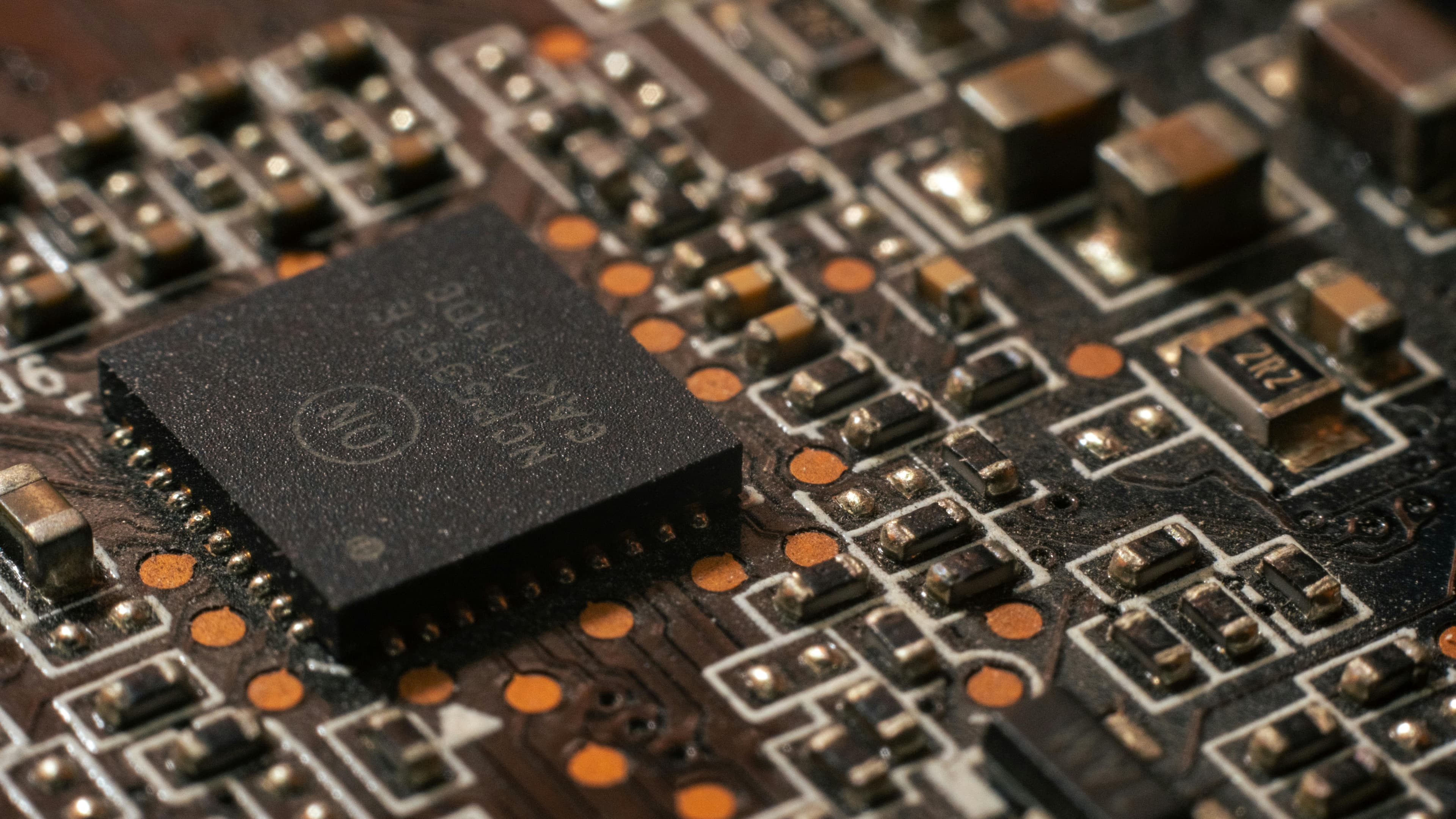
What RF Teams Should Check Before Automating RF Front-End Module State Sweeps
Start with the legal state map and timing rules, synchronize RF, DC, and digital control next, prove a golden subset on the reference board, then carry the same measurement plane onto the custom carrier.

Treat the state map as test content, not setup trivia
Automated state sweeps go wrong when teams treat register tables and pin truth tables as lab setup detail instead of test content. For an RF front-end module, the state map defines which combinations of bias, control, and RF path are legal, which transitions need settling time, and which readback or trigger events prove the part actually reached the requested mode.
That matters before the first large matrix is generated. MIPI RF Front-End Control Interface buses can coordinate many front-end devices and timed triggers, but the sweep is only meaningful when the legal address, register, logic-pin, and dwell assumptions are already explicit. Otherwise the bench is not exploring the module; it is exploring ambiguity in the control plan.
What to lock before the first large sweep
- Legal state table and supported registers or logic pins
- Bias rails, sequencing, settle time, and trigger rules
- Reference-board calibration path, thru line, or documented board loss
- Named measurement plane and any de-embedding method once the script leaves the vendor board
- Golden subset of states with expected RF, current, and readback results
- Failure signatures and logging for transport, state, and RF mismatch
Synchronize RF, DC, and digital control before trusting comparisons
Comparable automation needs more than sending writes quickly. RF instruments, DC supplies, and digital control need a shared trigger or at least a deterministic sequence, or two traces that look comparable on paper can reflect two different device states. This is especially true when scheduled triggers or rapid reconfiguration are part of the module behavior.
That is why modern RFFE validation platforms combine RF generation and analysis with precision DC and digital control in one timed sequence. The useful review question is not whether the script finishes without an error. It is whether the bench records the exact state boundary around each RF capture so a later team can tell whether a delta came from the module, the timing, or the automation harness.
Use the reference board to create a golden subset
Vendor evaluation boards are most useful at the beginning of automation, not the end. They give the team a known control table, recommended grounding and thermal practice, and often a documented thru path or board loss that can anchor calibration. That makes them the right place to prove a small golden subset of states before the sweep expands into every mode and corner.
The subset should cover the states that actually drive the module decision: gain and bypass combinations, switch or detector behavior, expected current draw, and at least one readback or bus-health check. Once those anchor points are repeatable on the reference board, widening the matrix becomes an efficiency problem rather than a debugging exercise.
Move off the reference board only with a named measurement plane
The moment automation shifts onto a custom carrier, the board becomes part of the result. Connector losses, launches, longer interconnects, antenna-side hardware, or fixture transmission paths can change the measured state-to-state delta even when the register script is identical. A script that was trustworthy on the vendor board can therefore become misleading on the product-like board if the measurement boundary is left implicit.
Teams should carry forward the same state table together with a named measurement plane, any thru or de-embedding method, and the board conditions that differ from the reference design. If that boundary is missing, the matrix hides whether a change came from the module state, the carrier board, or the calibration plane.
Leave an automation packet the next bench can reuse
The handoff artifact should stay small but specific: legal state list, register or pin map, supply levels, trigger and dwell rules, golden-state expectations, capture configuration, and the named calibration boundary. Teams should also record what transport failures, readback mismatches, or unexpected RF drift look like, because those signatures are often the first clue that a later rerun is no longer exercising the same state.
If that packet exists, later teams can rerun the same subset on a new carrier, temperature corner, or sourcing candidate and know what changed. If it does not, automation amplifies confusion as quickly as it amplifies throughput.